
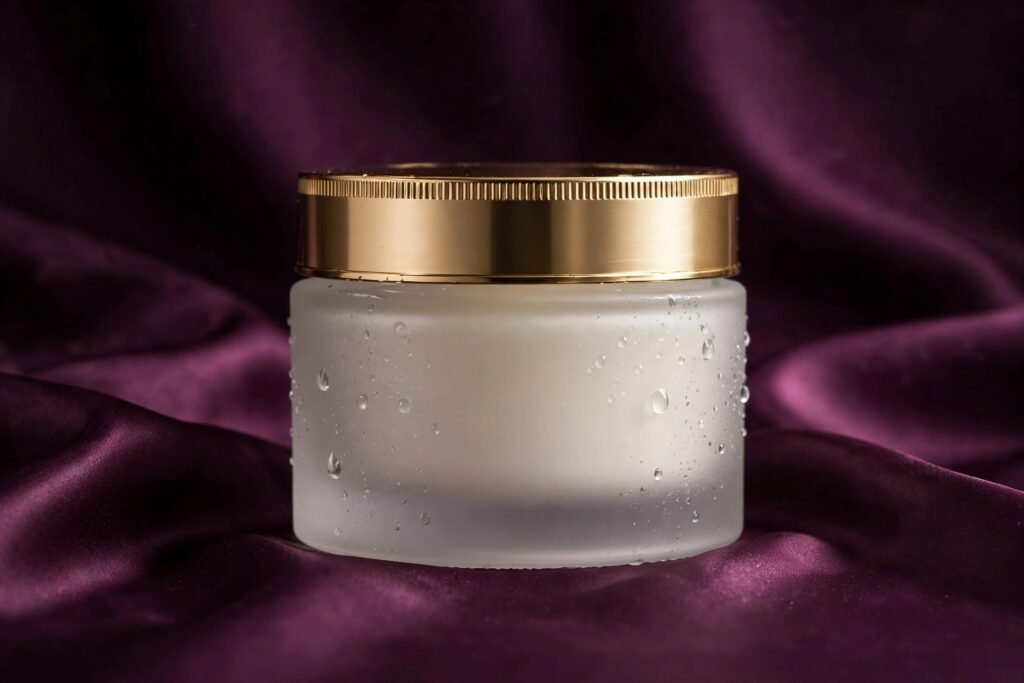
Walk down any skincare aisle, real or virtual, and you will find dozens of jars and tubes all promising hydration. Yet the moisturizer your friend swears by might leave your skin greasy, tight, or irritated. That is not a sign that moisturizer is a waste of time. It usually means the formula was not matched to your skin type.
The good news is that picking the right moisturizer is simpler than the marketing makes it sound. Once you know your skin type and what texture it likes, most of the guesswork disappears.
First, figure out your skin type
You do not need fancy equipment to work this out. Wash your face with a gentle cleanser, pat it dry, and wait about an hour without applying anything. Then check how your skin feels:
- Dry skin feels tight, sometimes rough or flaky, especially around the cheeks.
- Oily skin looks shiny across the whole face, particularly the forehead, nose, and chin, and pores may look larger.
- Combination skin is oily in the T-zone (forehead, nose, and chin) but normal or dry on the cheeks.
- Sensitive skin reacts easily, with redness, stinging, or itching after new products or changes in weather.
- Normal skin feels comfortable and balanced, neither tight nor shiny.
Skin type can shift with the seasons, so repeat this check a couple of times a year.
Match the texture to your skin type
Texture matters just as much as the ingredients inside:
- Dry skin does best with richer creams and balms that seal in moisture and protect the skin barrier.
- Oily skin usually prefers lightweight gel or gel-cream formulas that hydrate without adding shine or clogging pores.
- Combination skin often does well with a light lotion, or a gel-cream in the T-zone and a slightly richer cream on drier cheeks.
- Sensitive skin needs a gentle, fragrance-free formula with a short, calming ingredient list.
- Normal skin can use most textures, so choose based on the season and how your skin feels that day.
Ingredients that actually help
A few ingredients are worth knowing:
- Hyaluronic acid draws water into the skin and suits almost every skin type, including oily skin, because it hydrates without heaviness.
- Glycerin is another gentle humectant that helps skin hold on to moisture.
- Ceramides help rebuild the skin barrier, which is especially helpful for dry or sensitive skin.
- Snail mucin is a K-beauty favorite because it hydrates, soothes, and supports a healthy-looking glow without feeling greasy. A lightweight option like the Snail Mucin 92% Repair Moisturizer is a good example of this kind of everyday formula.
- Niacinamide can help balance oil and calm the look of redness, making it a useful partner ingredient for combination and oily skin.
Look for one or two of these doing the heavy lifting rather than a formula that promises to do everything at once.
Common moisturizer mistakes to avoid
Skipping moisturizer because your skin is oily. Oily skin still needs hydration. When it is stripped dry, it can actually produce more oil to compensate. A light gel moisturizer usually solves this problem.
Applying it to completely dry skin. Moisturizer works best on slightly damp skin, straight after cleansing or toning, when it can lock in that surface moisture.
Using too much product. A pea-sized amount is usually enough for the whole face. More product does not mean more hydration, and it can pill under sunscreen or makeup.
Forgetting sunscreen in the morning. Unless your moisturizer has broad-spectrum SPF 30 or higher, add sunscreen as the last step of your morning routine.
A simple way to test a new moisturizer
Patch testing only takes a minute and can save you a full-face reaction. Apply a small amount to your jawline or behind your ear once a day for three days. If there is no redness or irritation, you can start using it on your whole face.
For an extra hydration boost once or twice a week, pair your daily moisturizer with a hydrating mask, such as the Bio-Collagen Deep Hydration Face Masks. Think of the mask as a top-up and the moisturizer as your everyday foundation: the mask adds intensive moisture, while the moisturizer keeps it there day after day.
The bottom line
Picking a moisturizer comes down to three questions: What is my skin type right now? Which texture feels comfortable on my skin? And does the ingredient list support what my skin actually needs? Answer those, and you can ignore most of the noise on the label.
Start with a formula made for your skin type, use it consistently morning and night, and adjust with the seasons.
Have questions about which moisturizer suits your skin? Email us at contact@splendyhome.com and we will be happy to help you choose.